
Hybrid Pipeline
Original IP, built with craft, control, and speed.
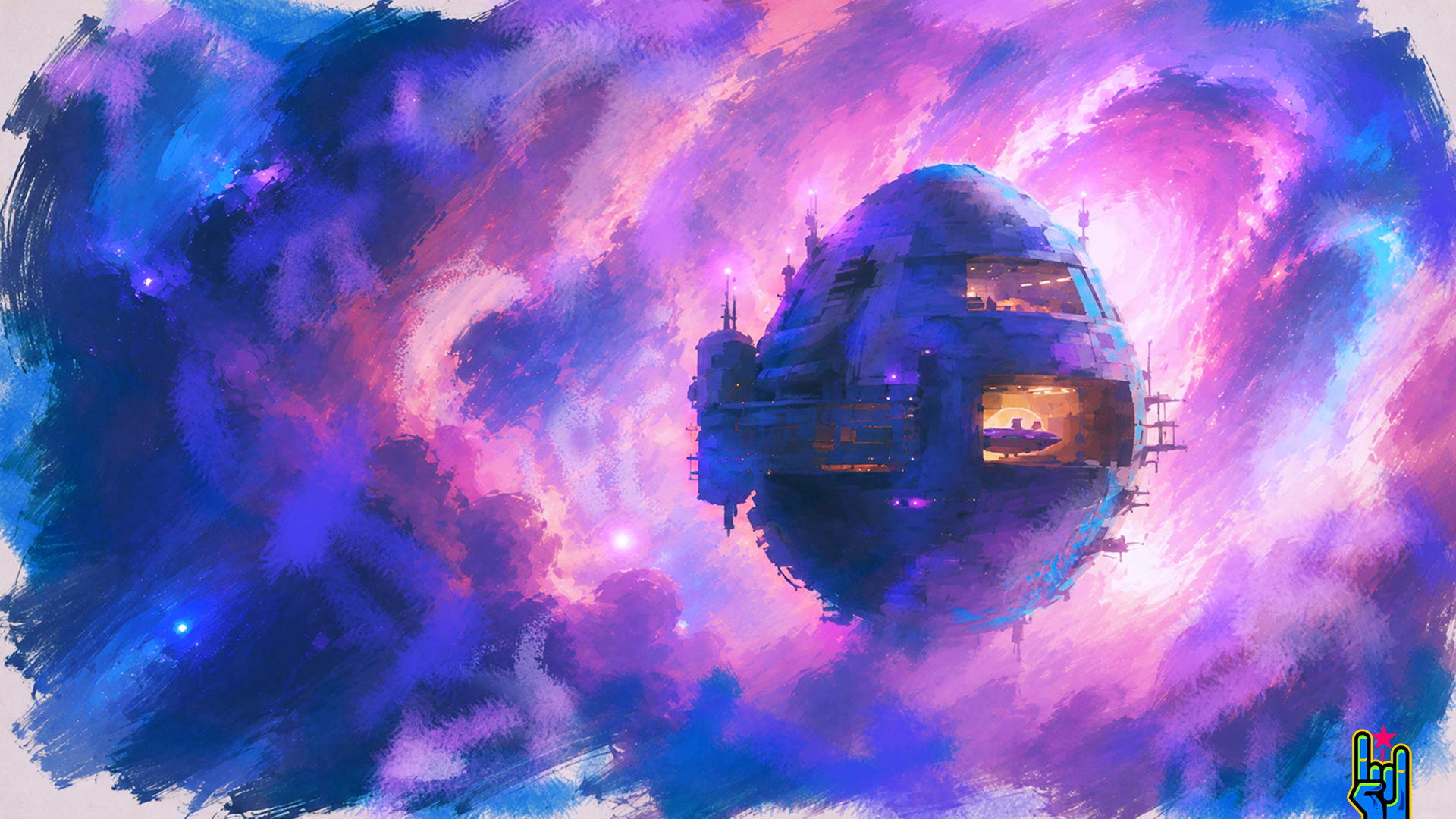
THE HYBRID PROCESS
FY!C uses hybrid production pipelines that combine traditional design, CG, animation, generative tools, editorial, and finishing into one directed process. AI enables faster exploration and more iterations, expanding what a small team can produce. Character, story, performance, continuity, and final creative decisions remain human-led. Built from decades of animation production experience, the pipeline is designed around the same fundamentals that make traditional production work: clear direction, continuity, review, and delivery.
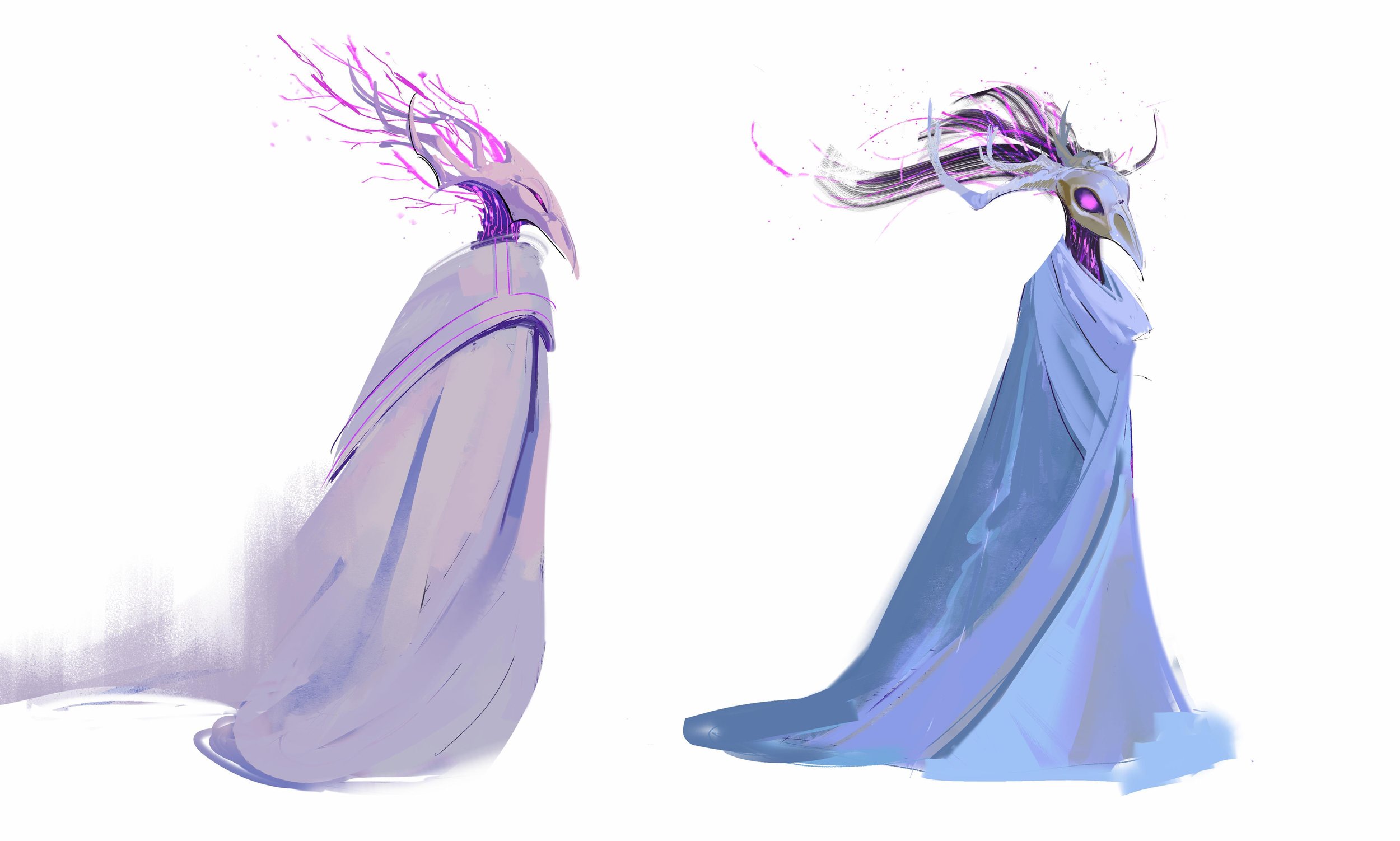
Storyboards, character design, visual development, and look exploration.
01 DeveloP
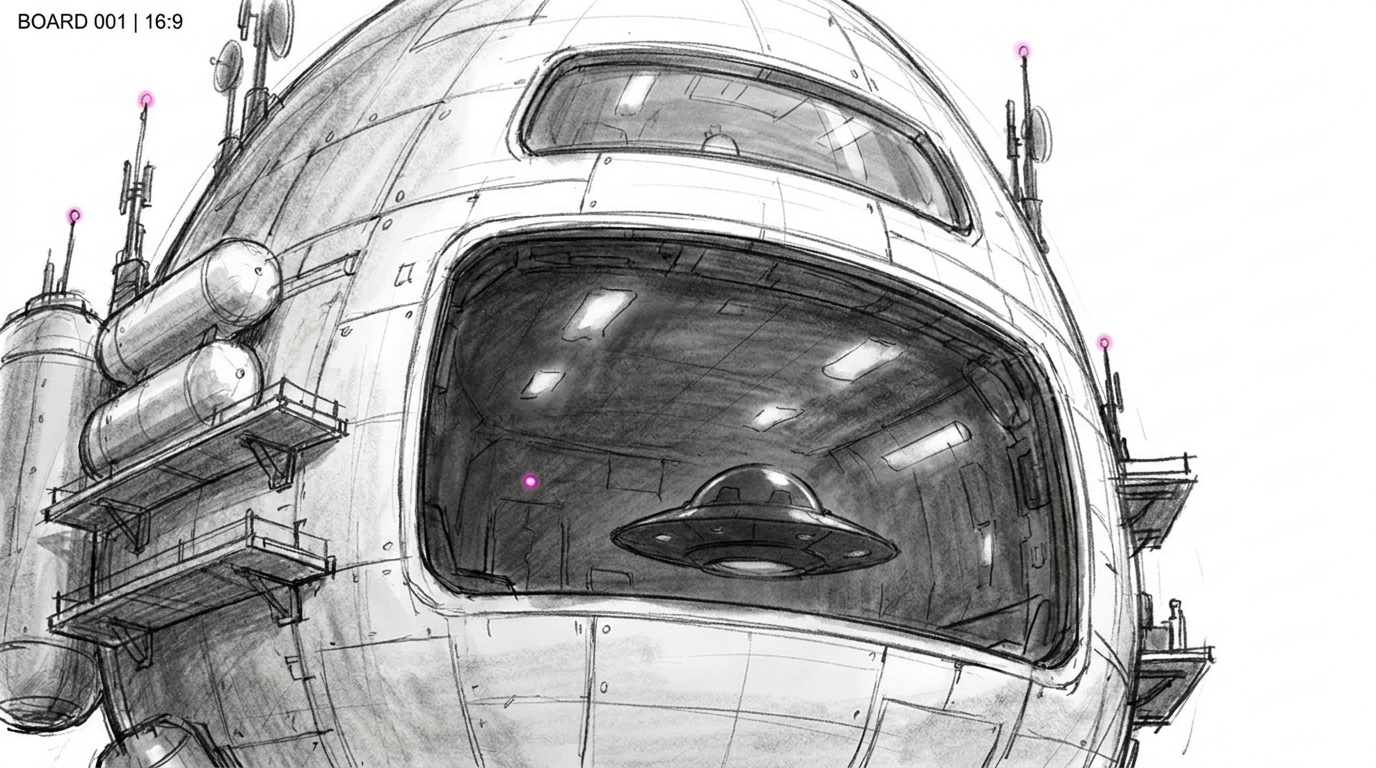
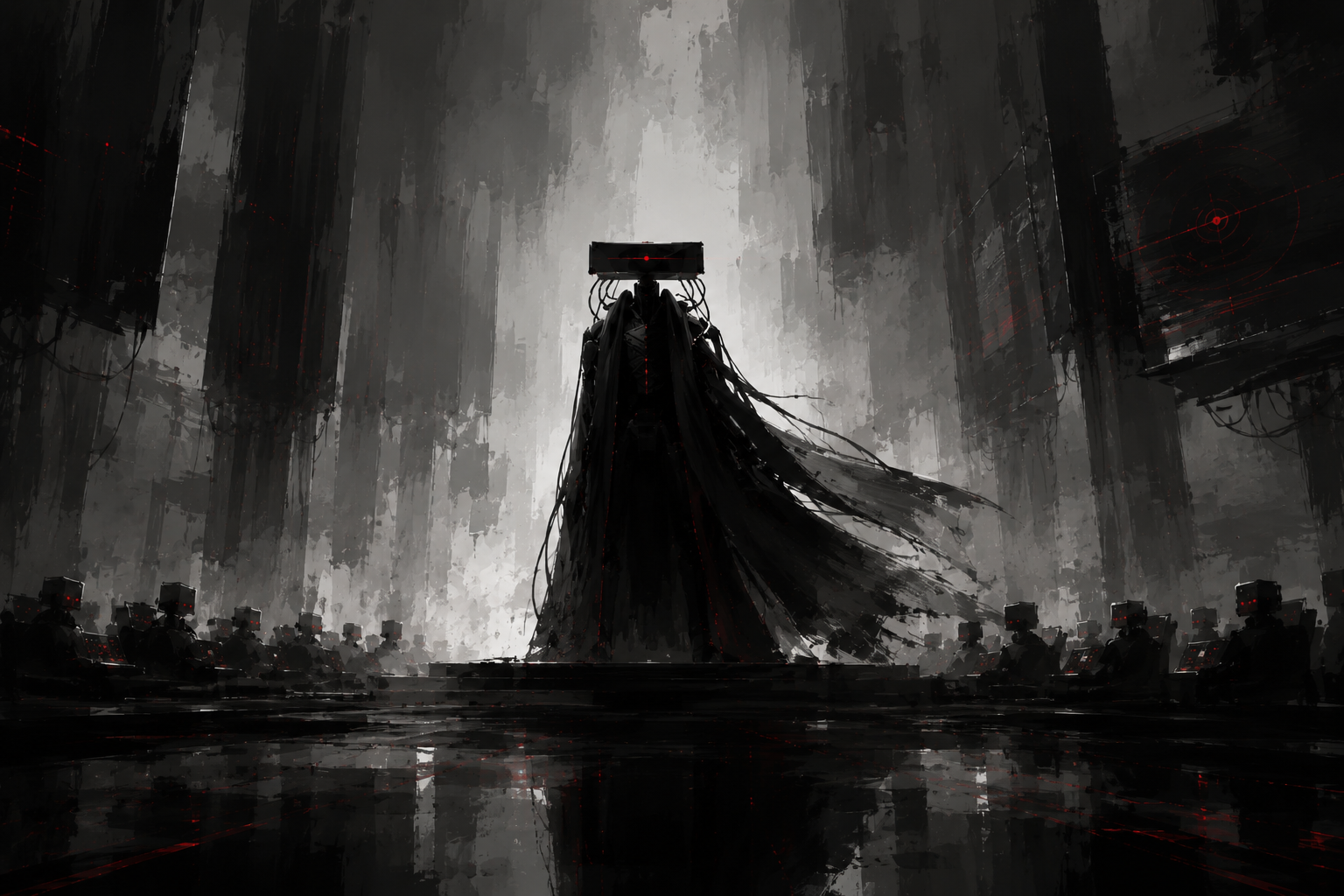
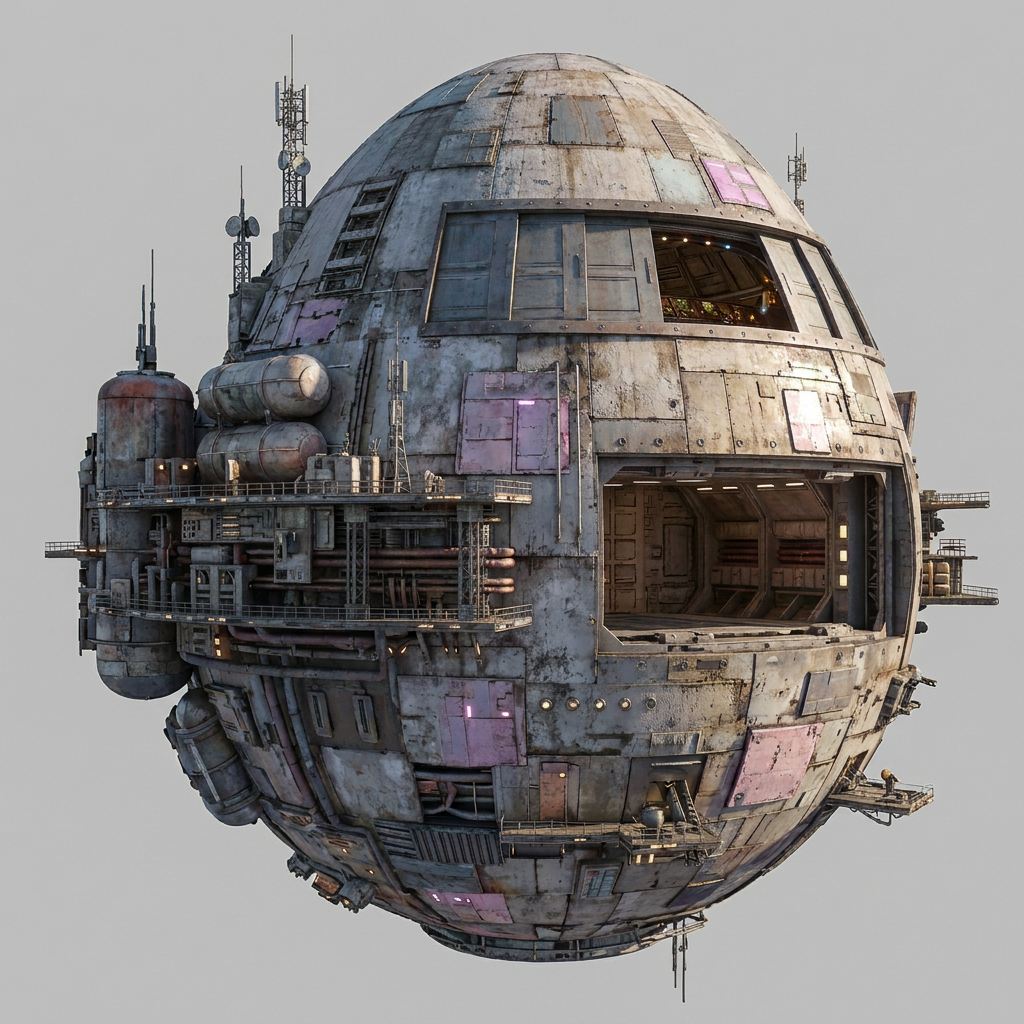
CG assets, animation, previs, and production structure.
02 Build
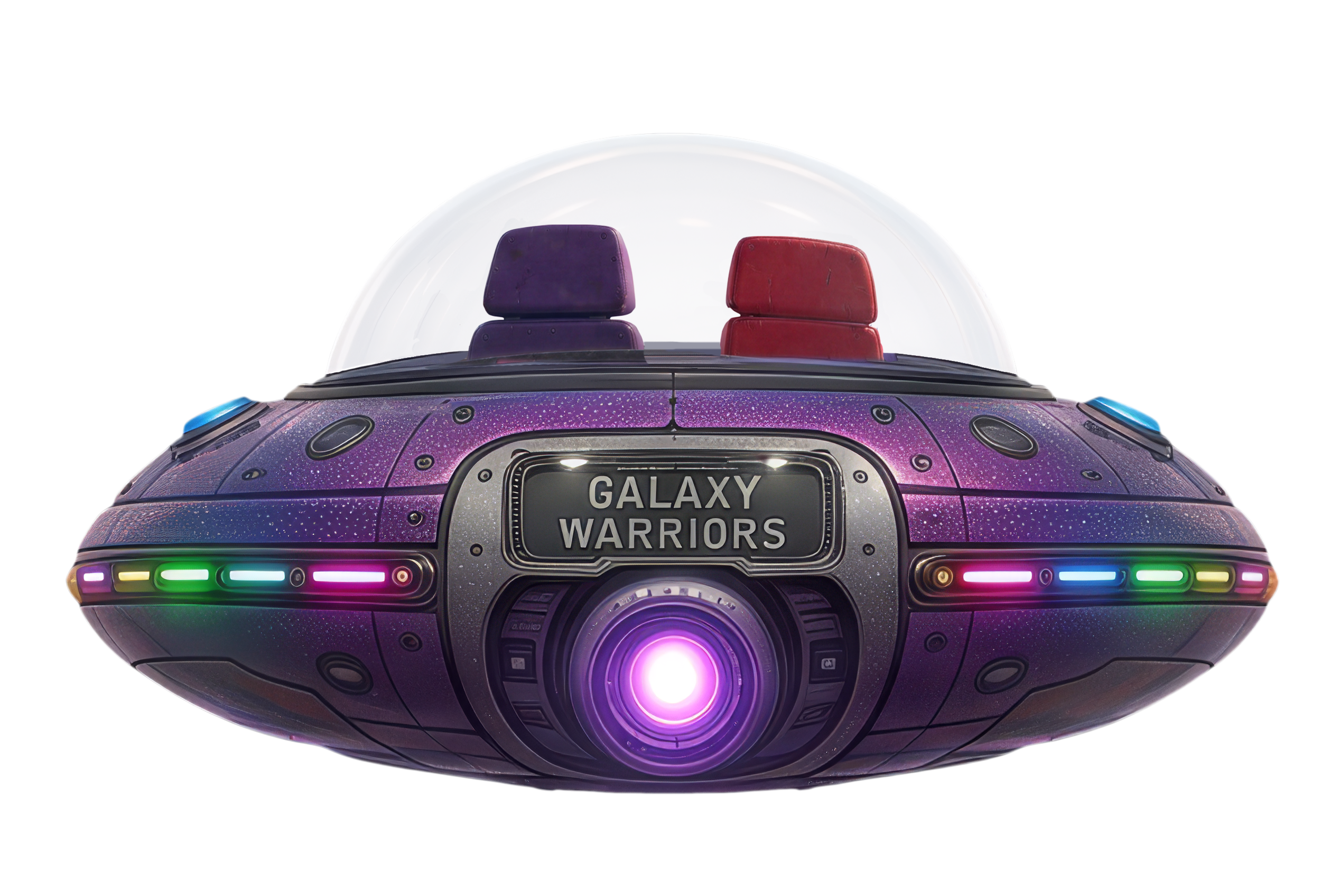
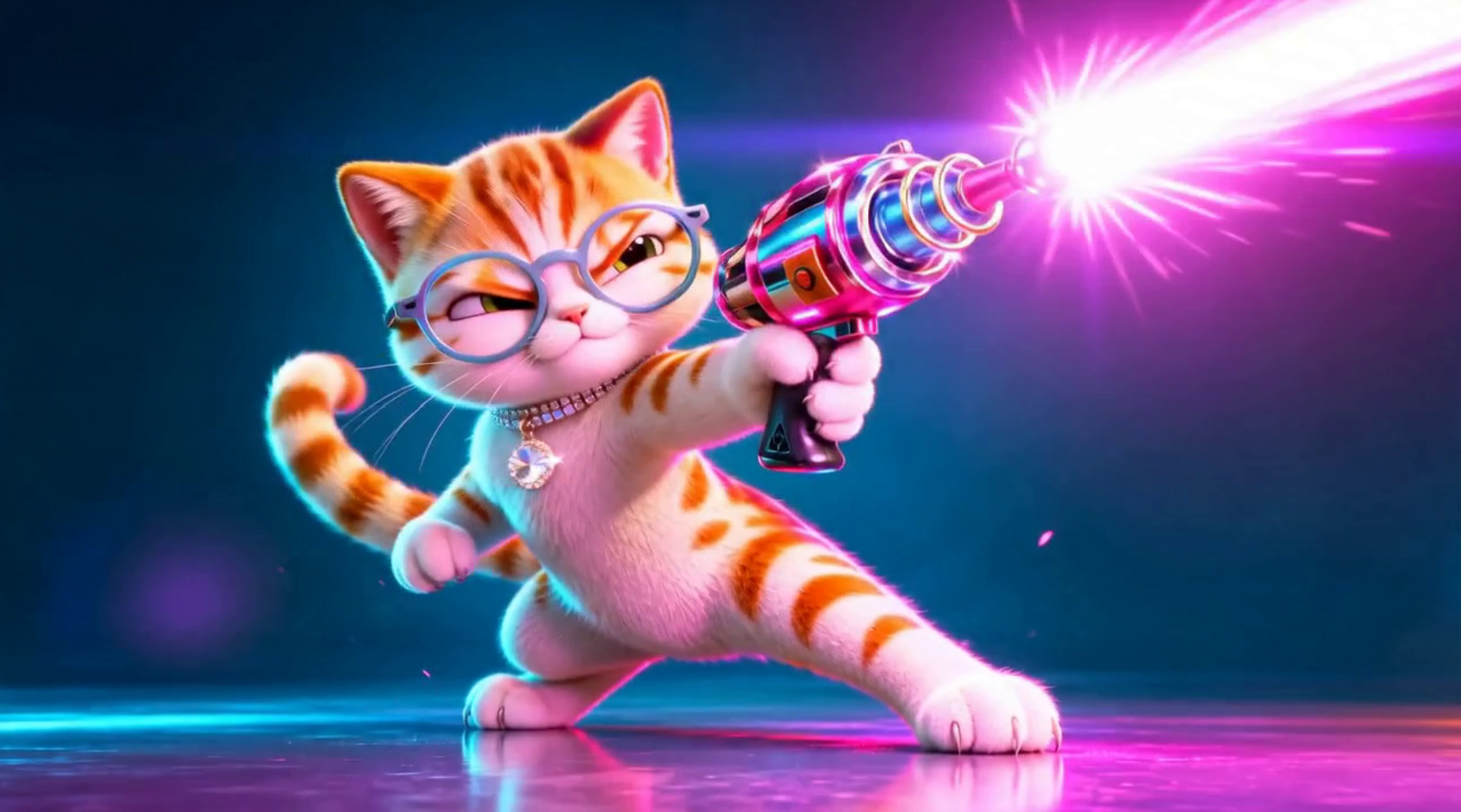
AI-assisted image and video exploration where it adds speed or range.
03 Generate


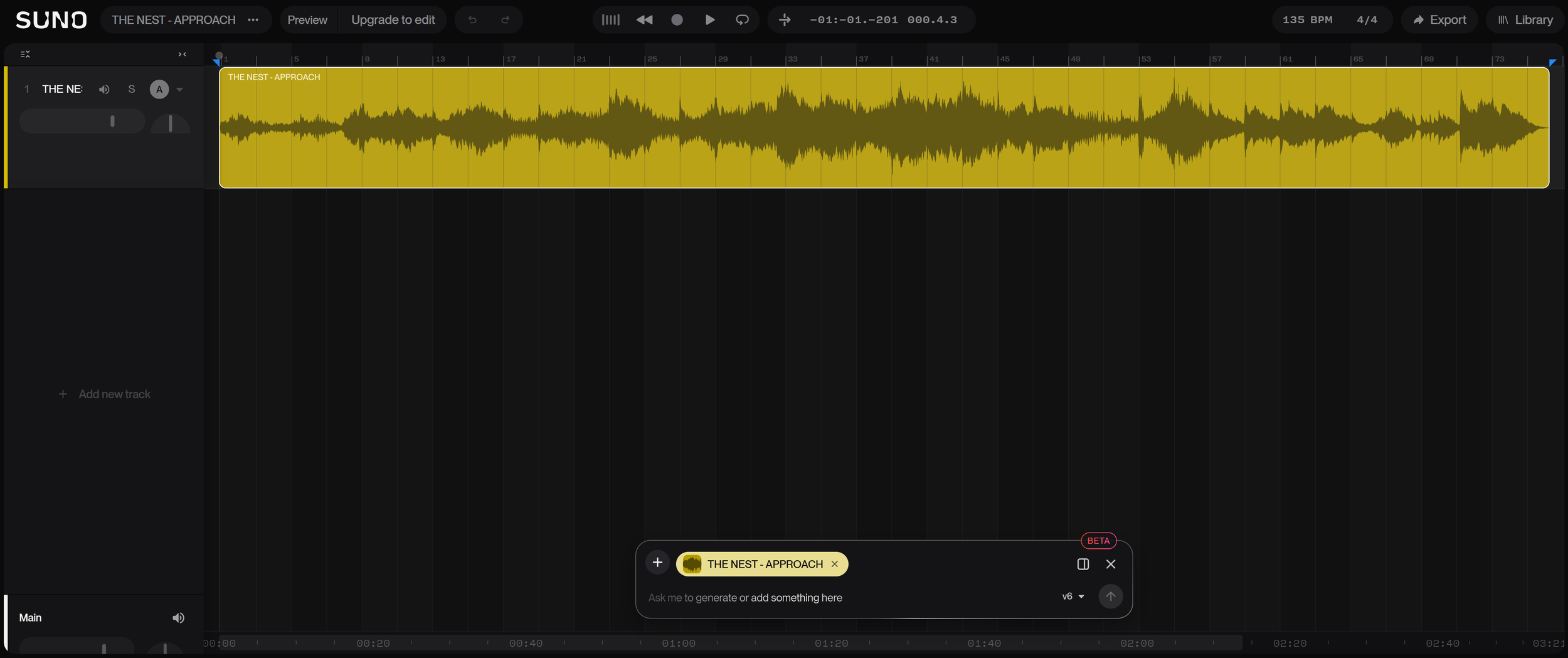
Editorial, compositing, color, sound, and final delivery.
04 Finish

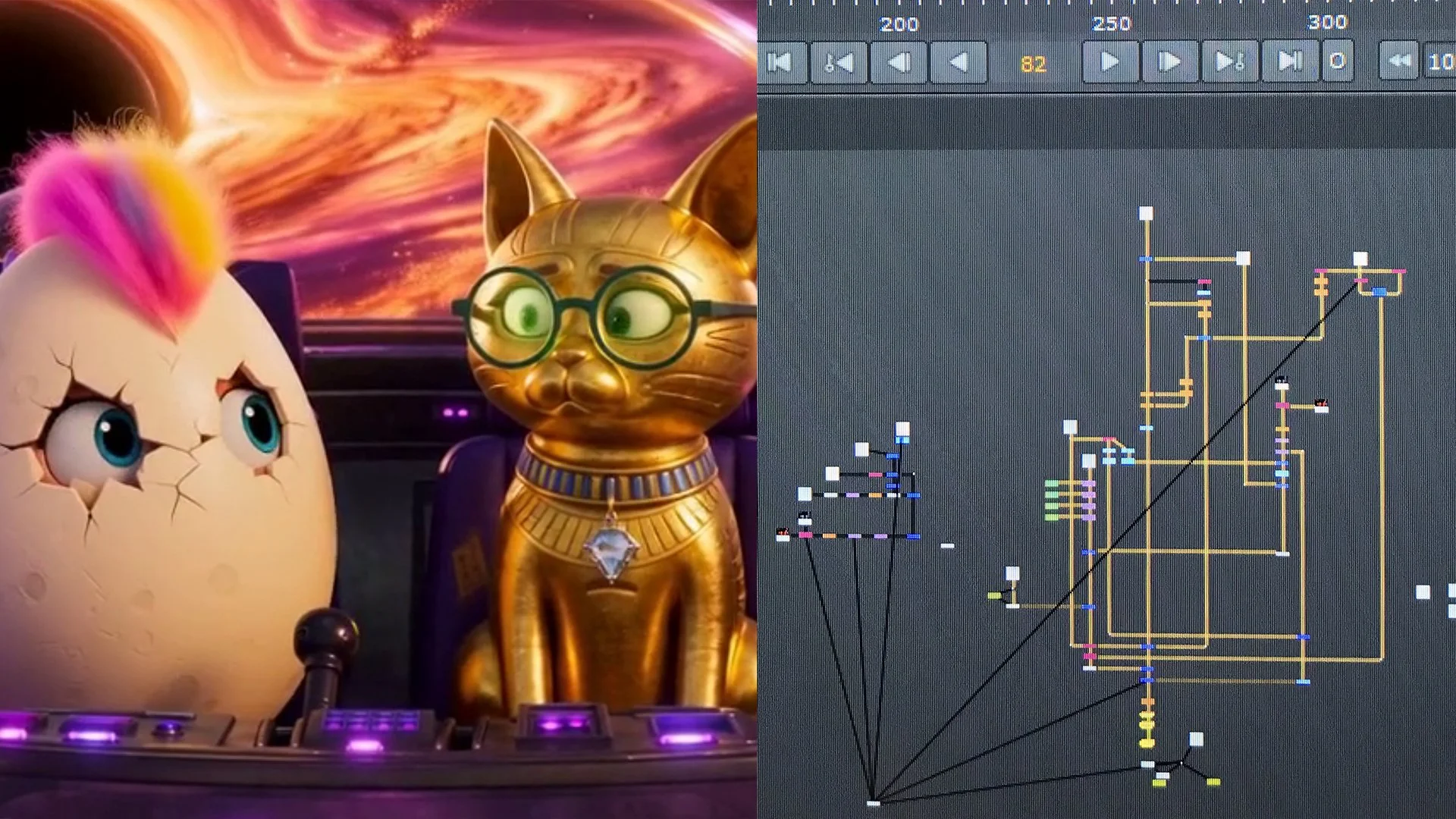
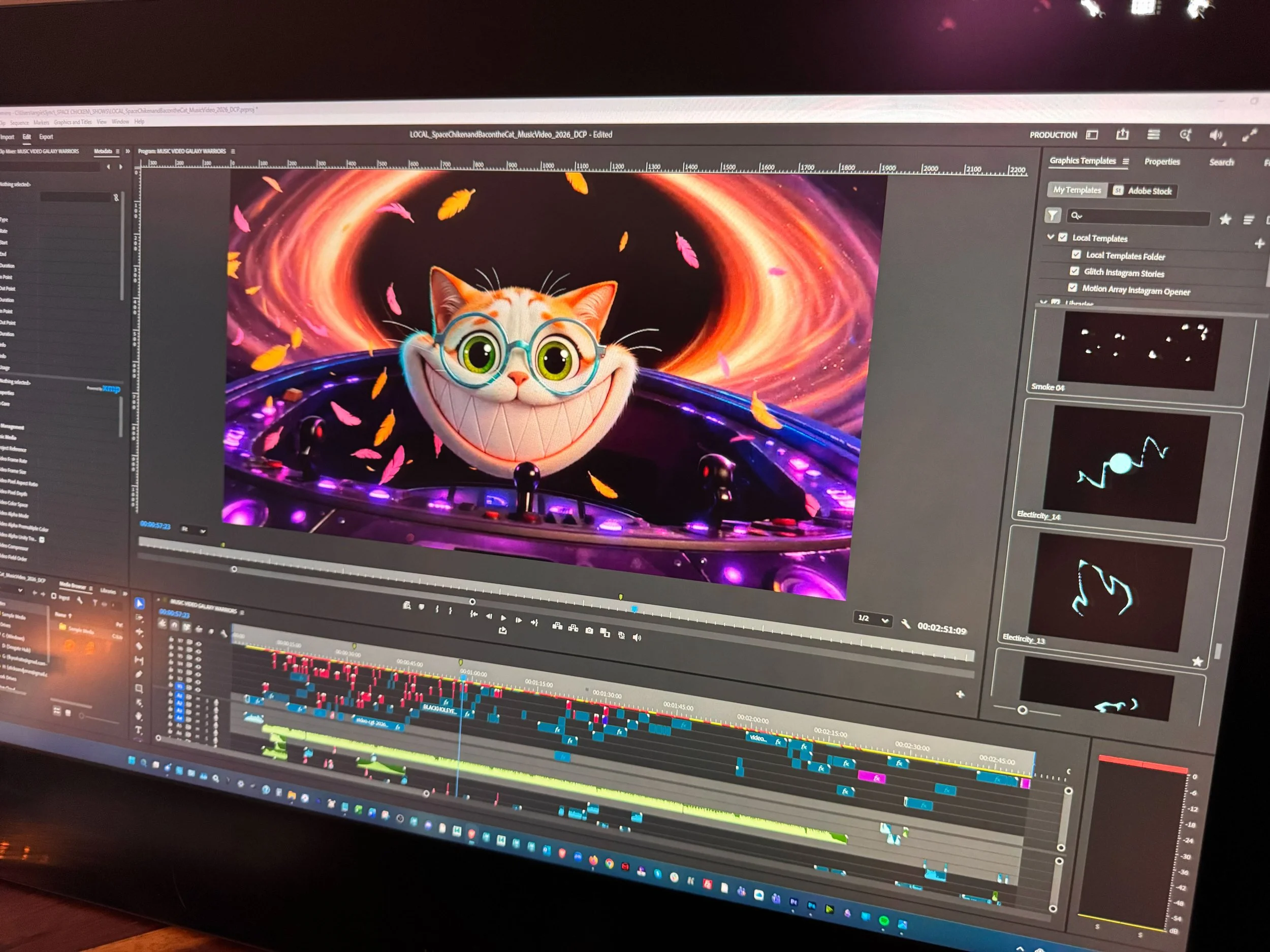
Human creative direction and review stay in control throughout.
05 Direct
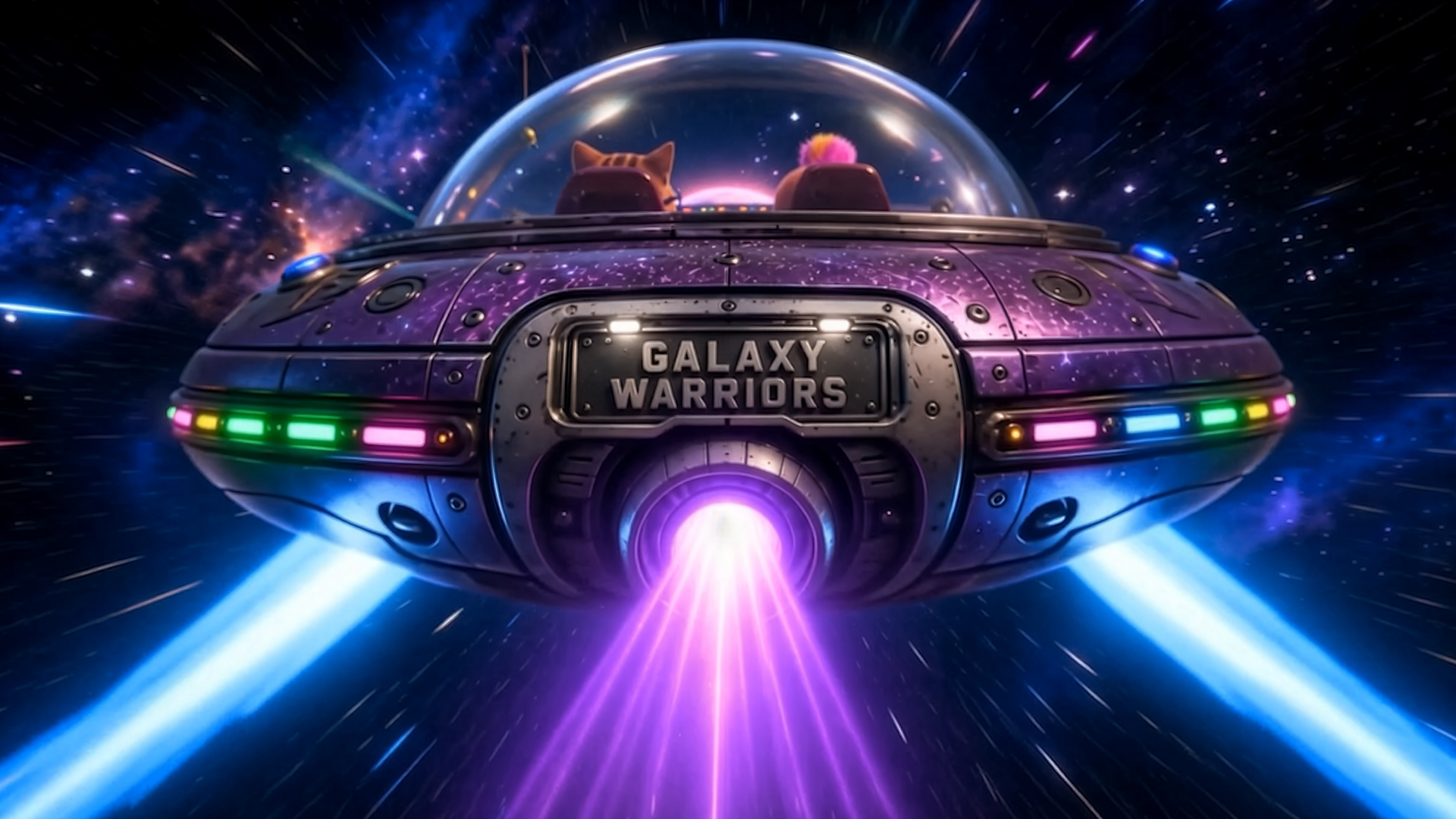
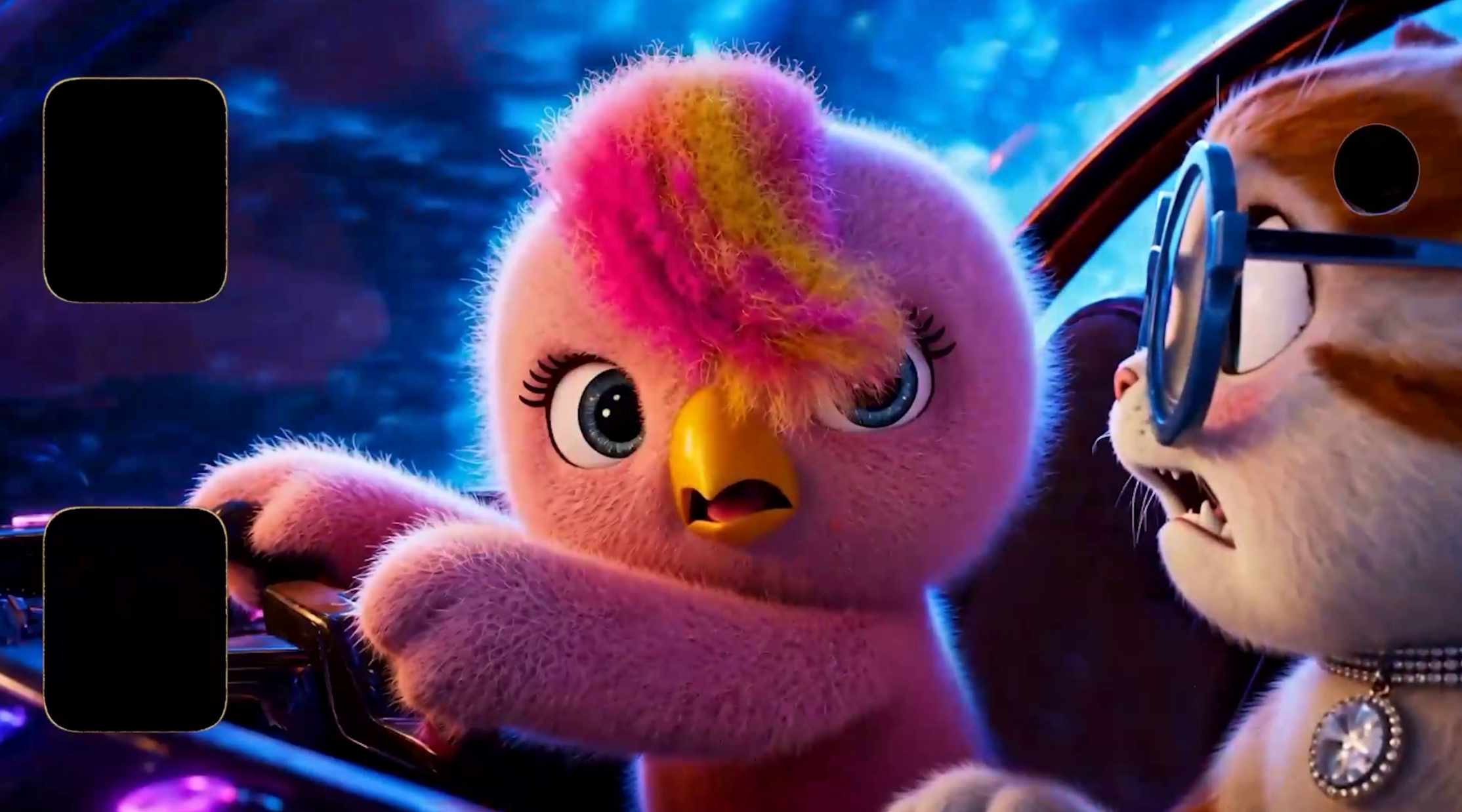
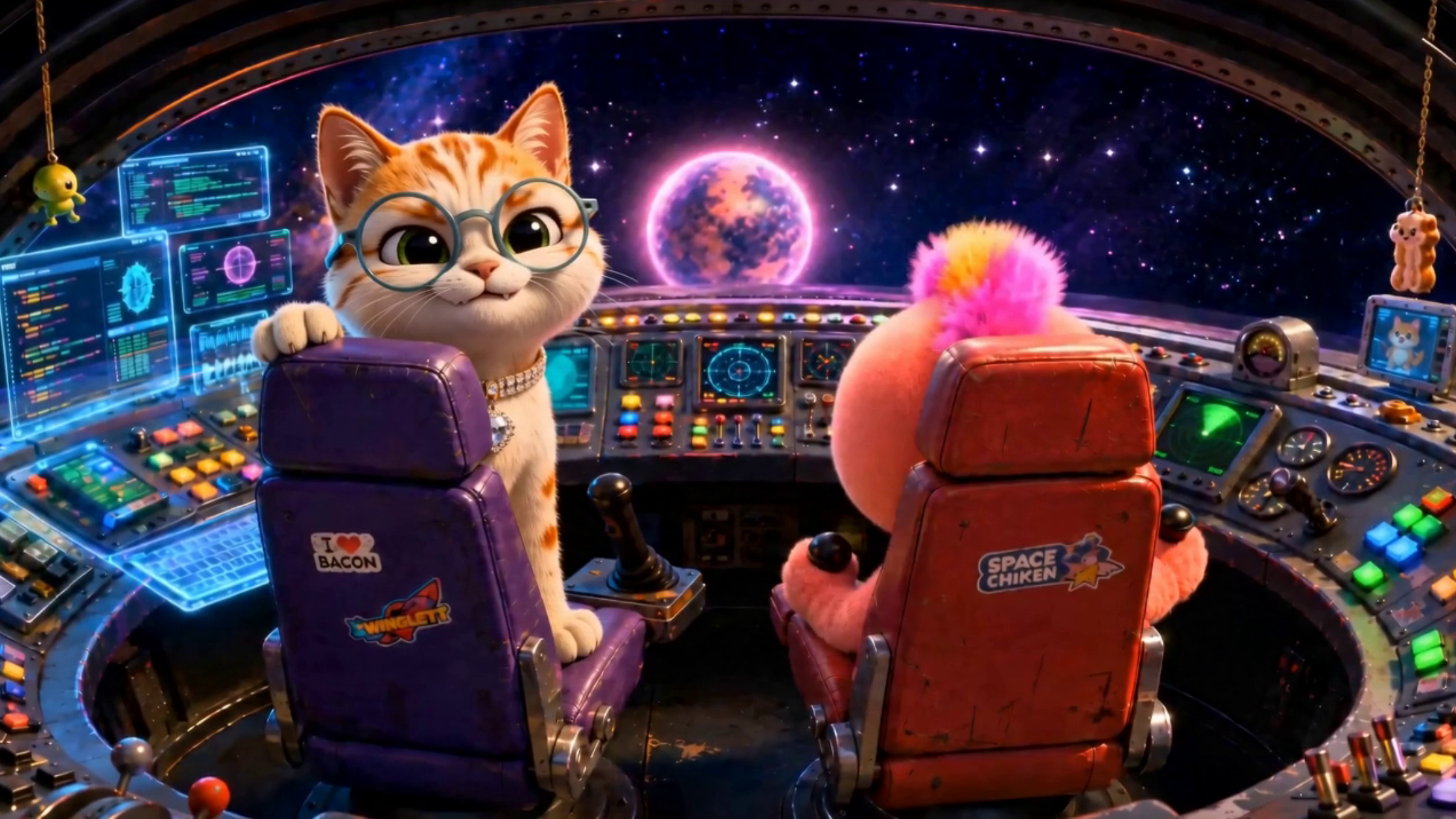
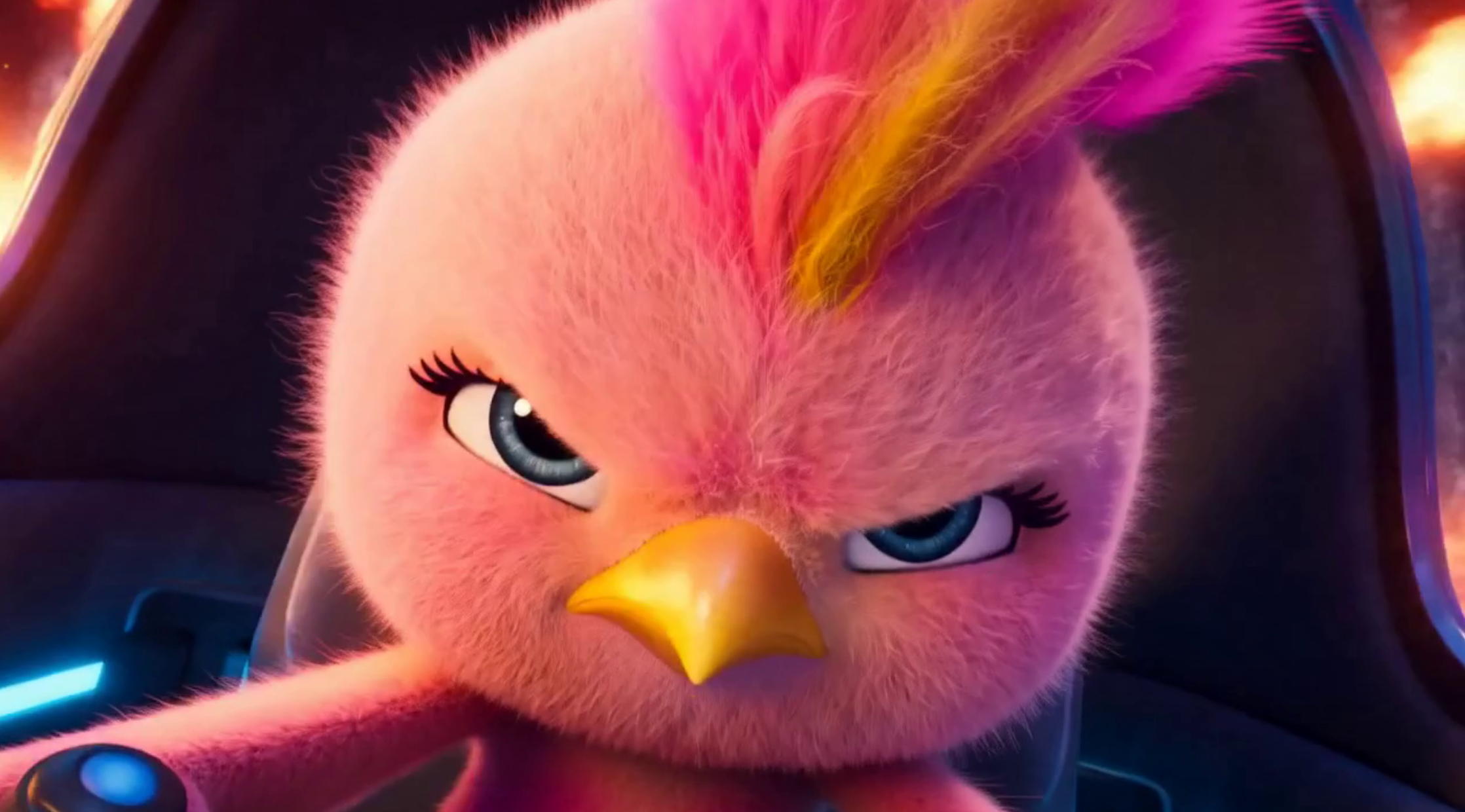
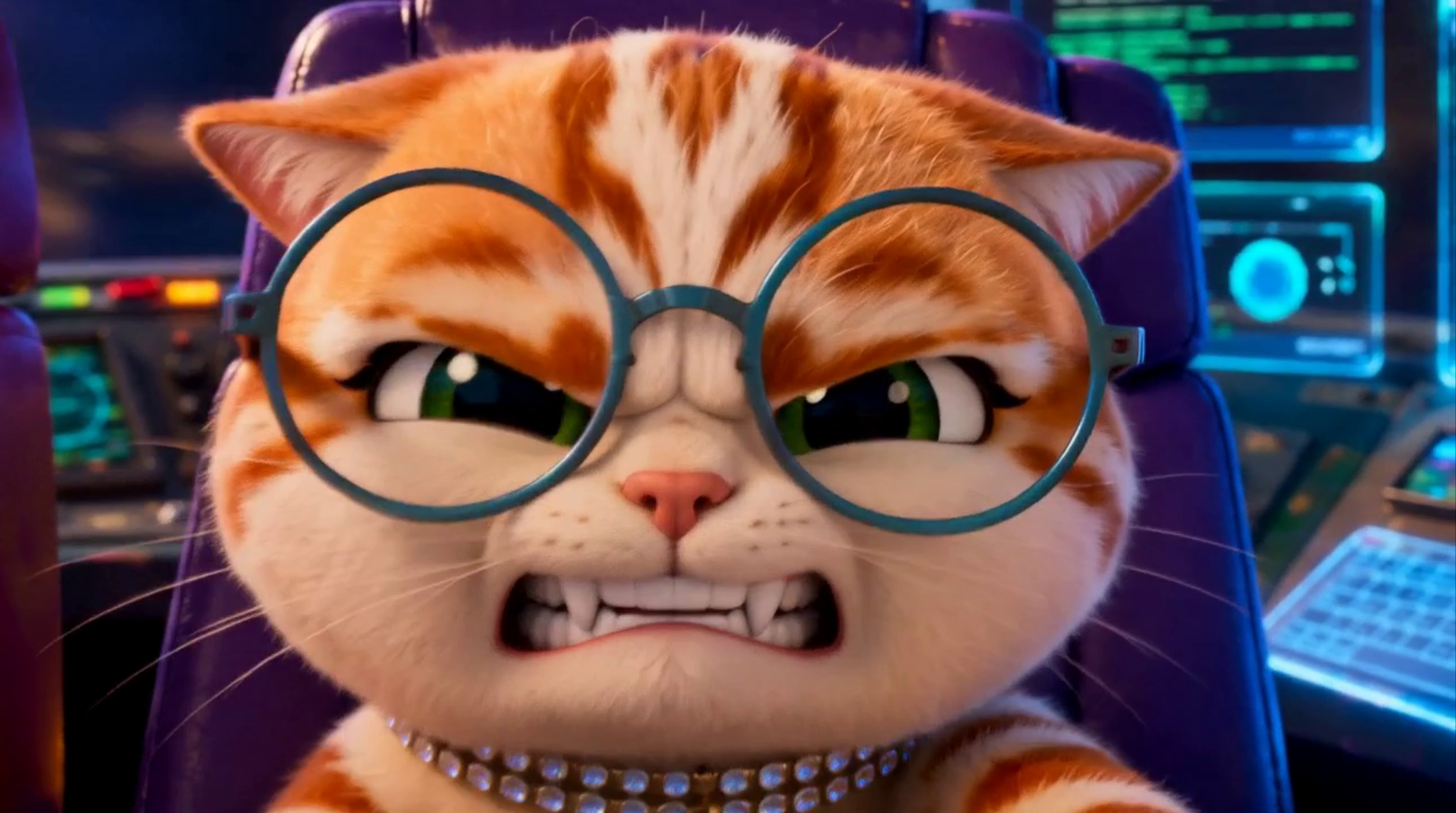
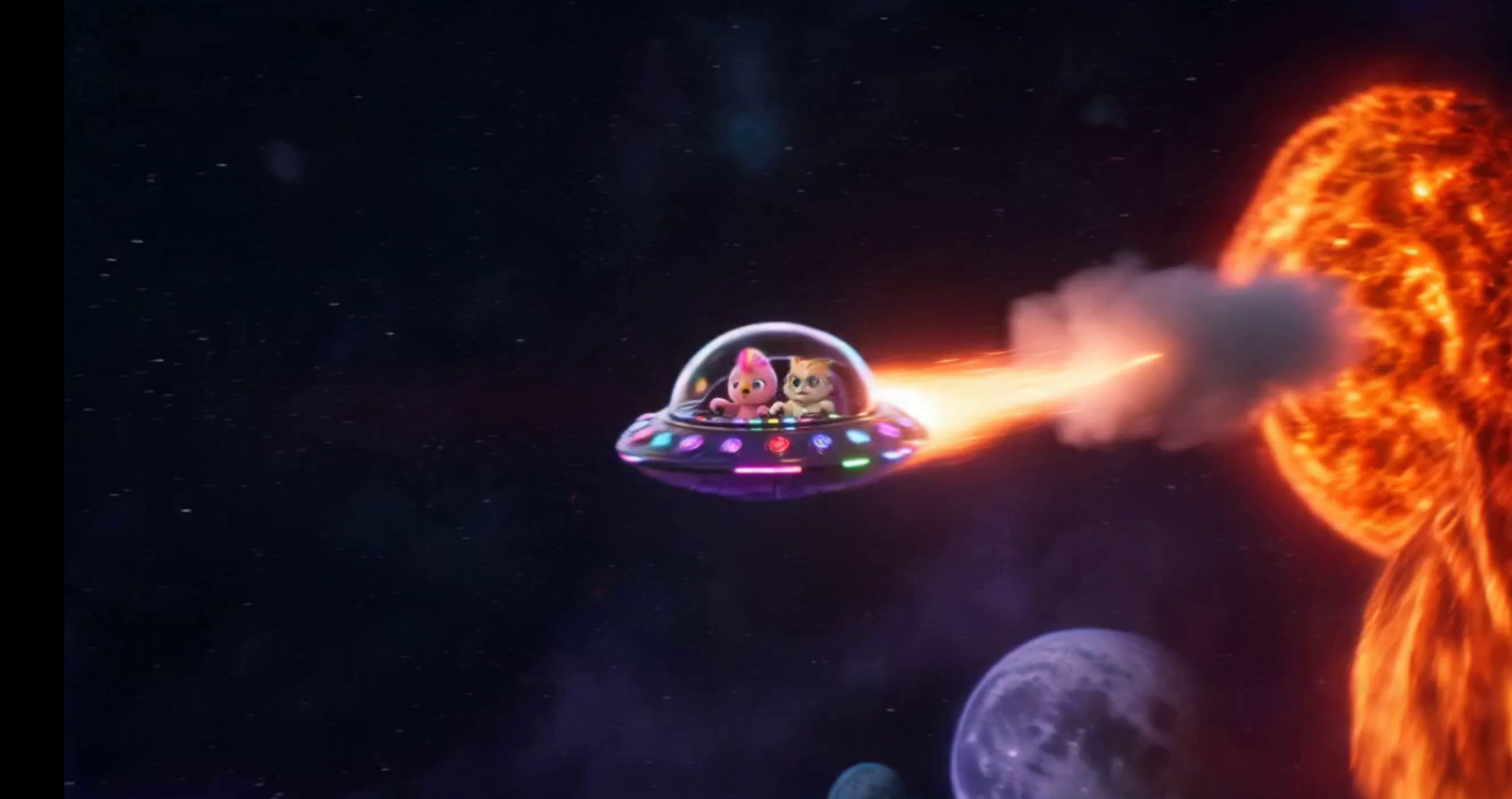
Case Study: Space Chiken & Bacon theCat
An original animated IP developed through a hybrid pipeline combining hand-drawn concept work, character design, CG animation, generative image and video tools, editorial, and finishing.
Hybrid Pipeline, Unpacked
-
Hybrid means we build the pipeline around the creative need, not force the production through a single tool. Hand-drawn and artist-led development, CG animation, generative tools, editorial, and finishing all work together inside one production process. Each is used where it brings the most control, range, or speed. The goal is not to prove that AI can do everything. The goal is to make the strongest version of the work.
-
The creative decisions stay human from beginning to end. Story, taste, performance, character design, visual rules, cinematography, authorship, human review, and final creative choices are all directed by people. Execution can be assigned to a machine only after the creative direction is clear, and even then the output has to be conditioned, guided, and reviewed throughout the process. AI is a powerful amplifier. It can accelerate exploration and iteration, but it should never decide what a character should feel like, what a scene means, or when the work is finished. Those decisions stay with humans.
Read more: Taste, Authorship, and Creative Judgment → -
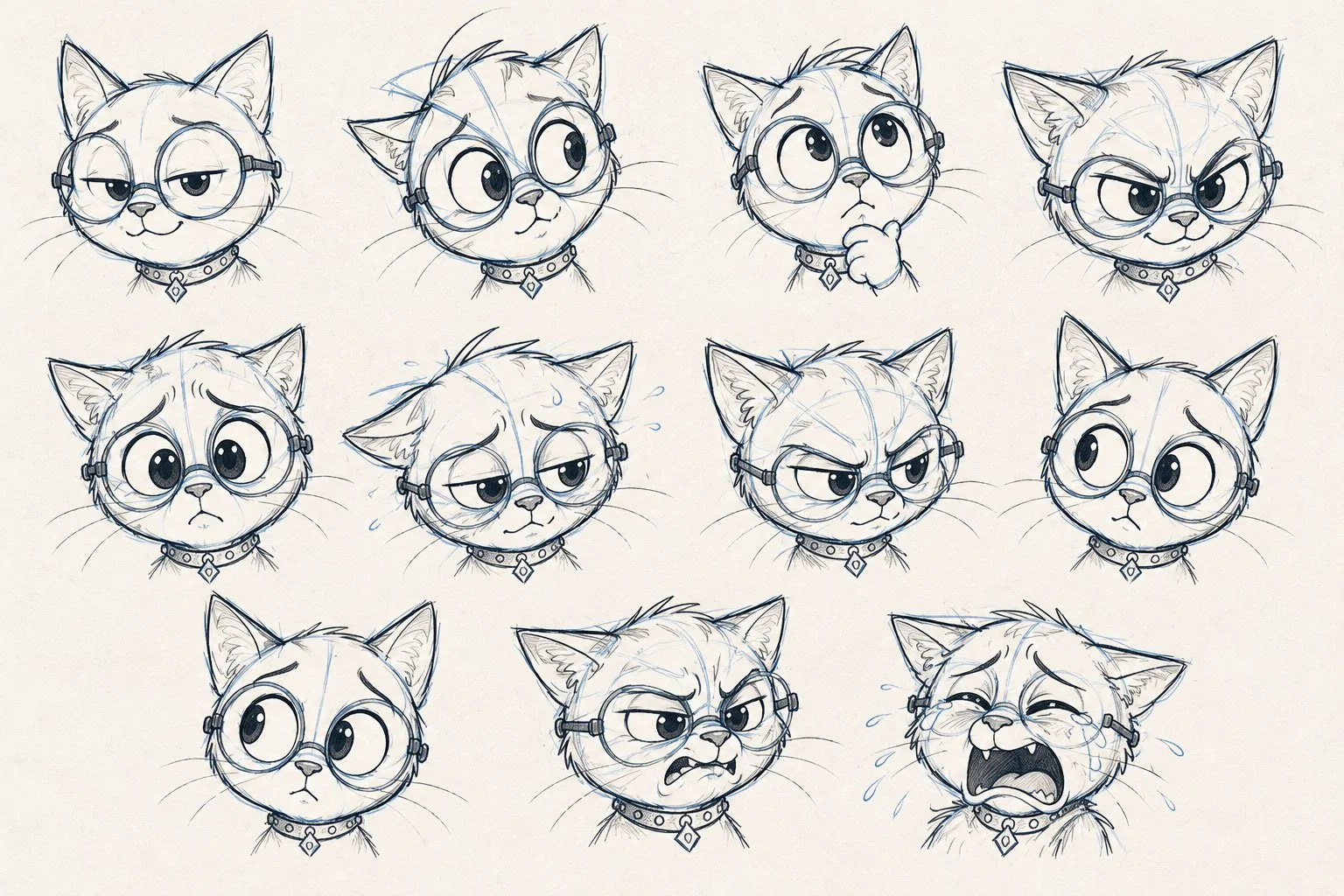
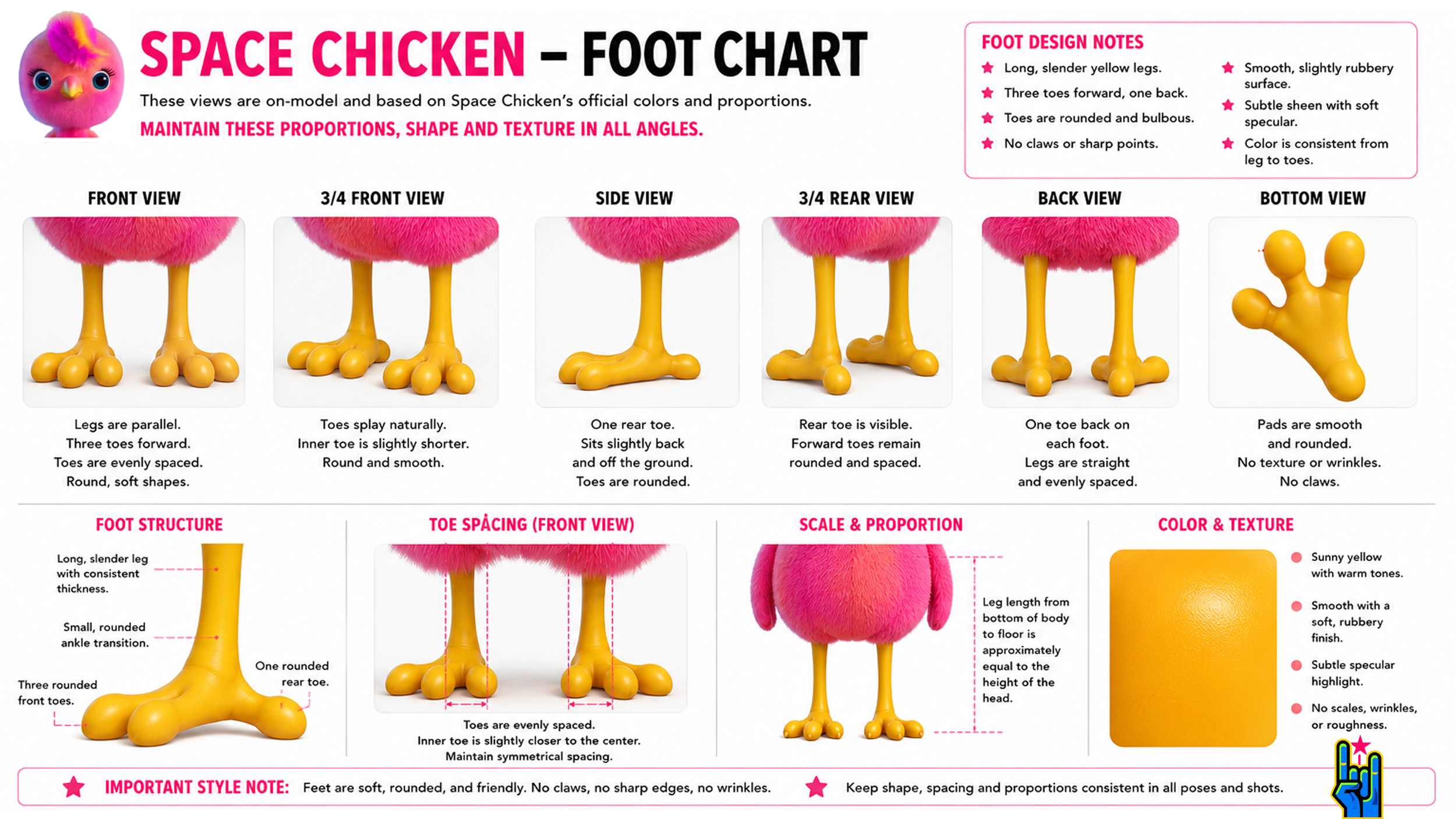
Consistency comes from specificity. A single turnaround is rarely enough, especially in animation. Different shots need different references: full-body model sheets, close-up facial studies, eye and eyeline guides, hand and prop interaction, costume details, environment rules, and even motion-specific sheets, like how Space Chiken’s mohawk behaves.
Generative tools do not inherently understand those rules. They have to be conditioned, directed, and reviewed shot by shot. The more clearly the character and world are defined before generation, the more control we have over what stays on-model. Generative output is material to direct and evaluate, not something that gets to decide the rules.
-
We go back to traditional and CG tools because generative tools struggle with surgical revisions. Most AI models can add convincing detail and natural complexity that CG-generated assets can sometimes lack, but they struggle to art direct with precision. In production, a note might be to adjust an eyeline, change a hand pose, or add more branches to the lightning on the screen-right side of the bolt. Those kinds of isolated revisions can cause the entire clip to shift.
CG is valuable because it gives a stable structure and repeatable control over performance, camera, staging, timing, VFX, scale, and continuity. Generative tools augment, add detail, or help finish a shot. When precise changes are needed, it is often faster to make them by hand in Photoshop or CG software, then bring the result back into the generative pipeline for finishing.
-
Do not use AI if a shot needs an exact performance, continuity, repeatable animation, or tight technical control. A traditional or CG approach is the better choice because individual elements can be revised surgically without destabilizing the rest of the shot.
The pipeline must stay flexible because the decision starts with the creative direction. Technology should solve production problems, not become the reason for the production decision.
-
A strong hybrid pipeline has structure, and development comes first.
Assets, references, animation, generative work, human review, editorial, and finishing all feed into one directed process. Think of it like mise en place in a kitchen: the ingredients are prepared, organized, and easy to reach before the cooking starts. The same is true here. References, character rules, assets, and creative direction should be as complete and accessible as possible before generation begins.A great-looking clip must also serve the story. The work has to hold together from concept through final delivery, with continuity, human review, and creative direction intact.